How Commercial Demolition Experts Detroit MI Deliver Reliable Commercial Teardowns
Wiki Article
Interior Selective Demolition In Detroit MI
Interior selective demolition in Detroit, MI, is improving the landscape of city revival. This method permits the cautious elimination of non-structural elements, preserving the personality of historical structures. It offers monetary advantages and advertises sustainability through product reuse. Several successful projects show its capacity. The effects of this technique prolong beyond mere aesthetic appeals. Comprehending the wider effect on the community and setting raises essential concerns for Detroit's future.
The Advantages of Interior Selective Demolition
Interior selective demolition uses numerous advantages for property proprietors and programmers in Detroit, MI. This process permits for specific elimination of non-structural aspects, such as walls, components, and floor covering, without endangering the stability of the total framework. By targeting only the areas that require remodelling, homeowner can conserve time and minimize expenses linked with full demolition.Additionally, selective demolition promotes sustainability by permitting the salvage and recycling of products, therefore lessening waste. This environmentally mindful approach aligns with the expanding fad of eco-friendly construction methods. Selective demolition can assist in quicker project timelines, as it normally involves much less interruption to surrounding areas compared to extensive demolition initiatives.
Inevitably, the critical execution of indoor selective demolition improves the performance of restoration tasks, causing enhanced functionality and visual allure for existing homes in Detroit's developing city landscape. (local demolition contractor detroit)
Trick Considerations for Selective Demolition Projects
When planning a selective demolition task, numerous key considerations have to be dealt with to ensure its success. To start with, comprehensive evaluations of the existing framework are important to recognize materials that require removal and those that ought to be preserved. Understanding regulative needs, including licenses and safety codes, is basic to make sure conformity and stay clear of legal issues.In addition, establishing an in-depth plan that describes the extent of job, timelines, and budget is crucial for reliable job monitoring. Involving seasoned experts can alleviate threats connected with hazardous products, such as asbestos or lead.
The Process of Selective Demolition Explained
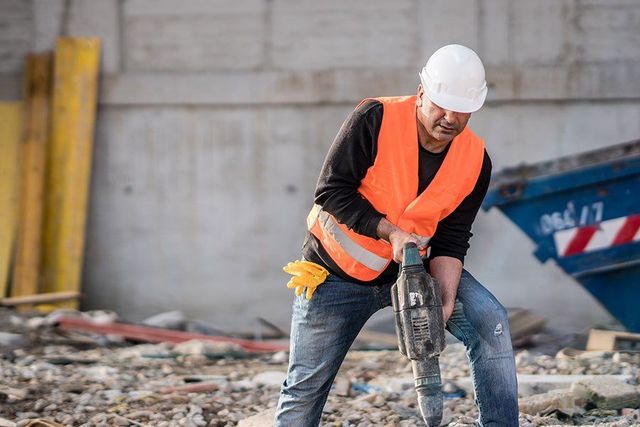
Selective demolition includes a methodical strategy that focuses on the careful elimination of certain architectural elements while protecting the stability of the surrounding setting. The process starts with a thorough analysis of the website, recognizing which components need to be gotten rid of and which should be kept. Following this assessment, an in-depth demolition strategy is created, describing precaution and waste administration approaches.As soon as the strategy remains in area, the demolition team prepares the site by making sure and safeguarding required click to find out more licenses that energies are detached. The real demolition process employs specialized devices and methods to sites take down targeted frameworks, such as ceilings, fixtures, and wall surfaces, minimizing waste and noise. Throughout the procedure, careful surveillance is conducted to resolve any kind of unanticipated obstacles. Lastly, the site is tidied up, with recyclable materials arranged and dangerous waste thrown away suitably, making sure that the surrounding atmosphere continues to be safe and undisturbed for future use.
Case Researches: Successful Tasks in Detroit
Successful tasks in Detroit highlight the efficiency of selective demolition in revitalizing urban rooms. One remarkable situation included the transformation of a previous commercial site into a vibrant mixed-use development. Selective demolition permitted for the cautious elimination of hazardous materials while maintaining architectural components, allowing the combination of modern facilities with historic style.One more project featured the repurposing of an old warehouse right into a neighborhood arts. The selective strategy assisted in the extraction of non-essential interiors, developing open areas excellent for artistic undertakings while keeping the building's character.
Additionally, a domestic conversion showcased just how selective demolition might adapt outdated structures for modern living. By eliminating outdated systems and interior dividers, the job revived the structure, bring in brand-new citizens and fostering community involvement.
These examples show useful source how selective demolition not only enhances safety and efficiency yet likewise adds to Detroit's continuous metropolitan renewal efforts.
The Future of Selective Demolition in Urban Resurgence
A boosting number of urban organizers and designers are recognizing the capacity of selective demolition as a crucial method for rejuvenating cities. This approach enables for the careful removal of specific interior components, allowing the conservation of historically significant frameworks while making room for contemporary uses. As cities like Detroit grapple with maturing facilities and a requirement for lasting advancement, selective demolition offers a practical option to repurpose existing buildings.
The future of selective demolition copyrights on its assimilation with lasting techniques. By minimizing and reusing materials waste, cities can lower their environmental footprint while fostering financial growth (legendary demolition detroit). In addition, this technique advertises neighborhood involvement, as neighborhood stakeholders typically take part in the decision-making process relating to which structures to customize or maintain. As urban revitalization efforts gain momentum, selective demolition is most likely to play a significantly critical function in forming the landscapes of tomorrow's cities, mixing history with development
Frequently Asked Concerns
What Permits Are Required for Interior Selective Demolition in Detroit?
A demolition permit is typically needed, along with any essential environmental permits, specifically if hazardous materials exist. Additionally, conformity with local building regulations and guidelines is important for secure and lawful demolition techniques.How much time Does an Average Selective Demolition Project Take?
A typical selective demolition task generally takes between one to three weeks, depending upon the task's dimension, intricacy, and the level of the job called for. Elements such as website conditions and allowing may also affect the timeline.Are There Specific Security Rules for Selective Demolition?
What Sorts Of Products Can Be Salvaged Throughout Demolition?
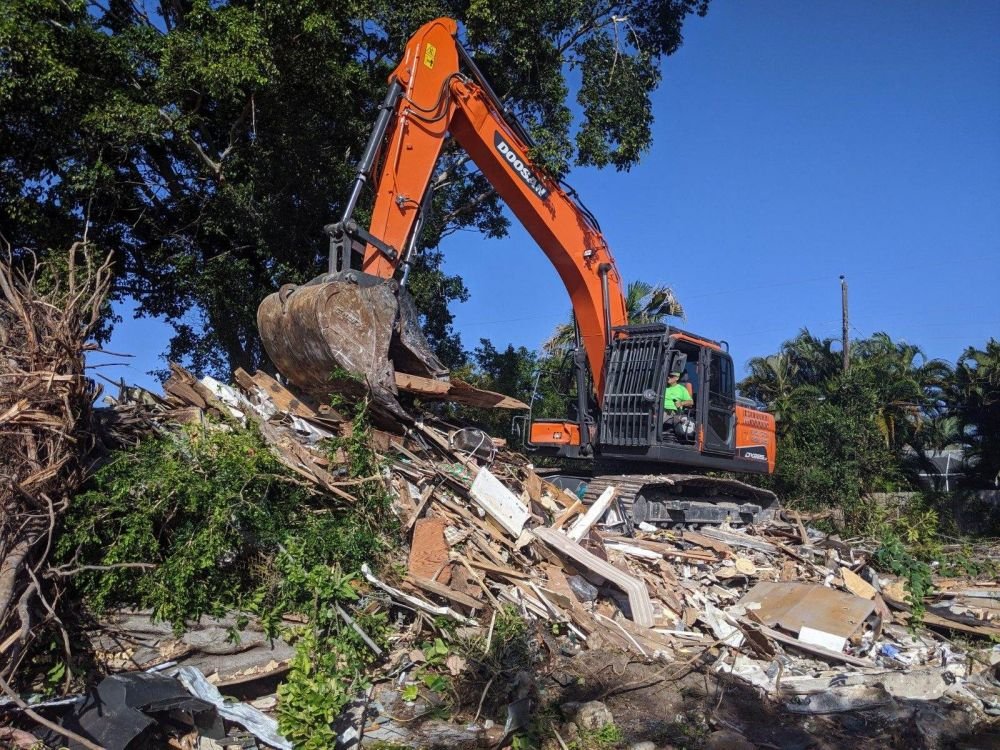
Numerous materials can be salvaged throughout demolition, consisting of wood, steel, components, blocks, and concrete. Multiple-use products improve sustainability by reducing waste, while supplying possibilities for recycling and repurposing in new building or improvement projects.Just How Much Does Interior Selective Demolition Typically Price?
Commonly, indoor selective demolition costs range from $2 to $10 per square foot, depending upon elements such as task intricacy, material types, and local labor rates, affecting general expenditures for both household and commercial homes.Interior selective demolition in Detroit, MI, is reshaping the landscape of urban renewal. Interior selective demolition supplies countless benefits for property owners and developers in Detroit, MI. When planning a discerning demolition project, a number of vital factors to consider have to be dealt with to guarantee its success. Effective projects in Detroit highlight the effectiveness of selective demolition in rejuvenating urban areas. A typical selective demolition job commonly takes between one to 3 weeks, depending on the task's dimension, intricacy, and the extent of the work needed.
Report this wiki page